Reducing Cloud Debt & Waste: An AI Approach to Architecture Alignment
Cloud projects often suffer from a growing disconnect between the intended product vision and the deployed technical reality. This misalignment is a primary driver of technical debt, inflated costs, and unnecessary carbon emissions.
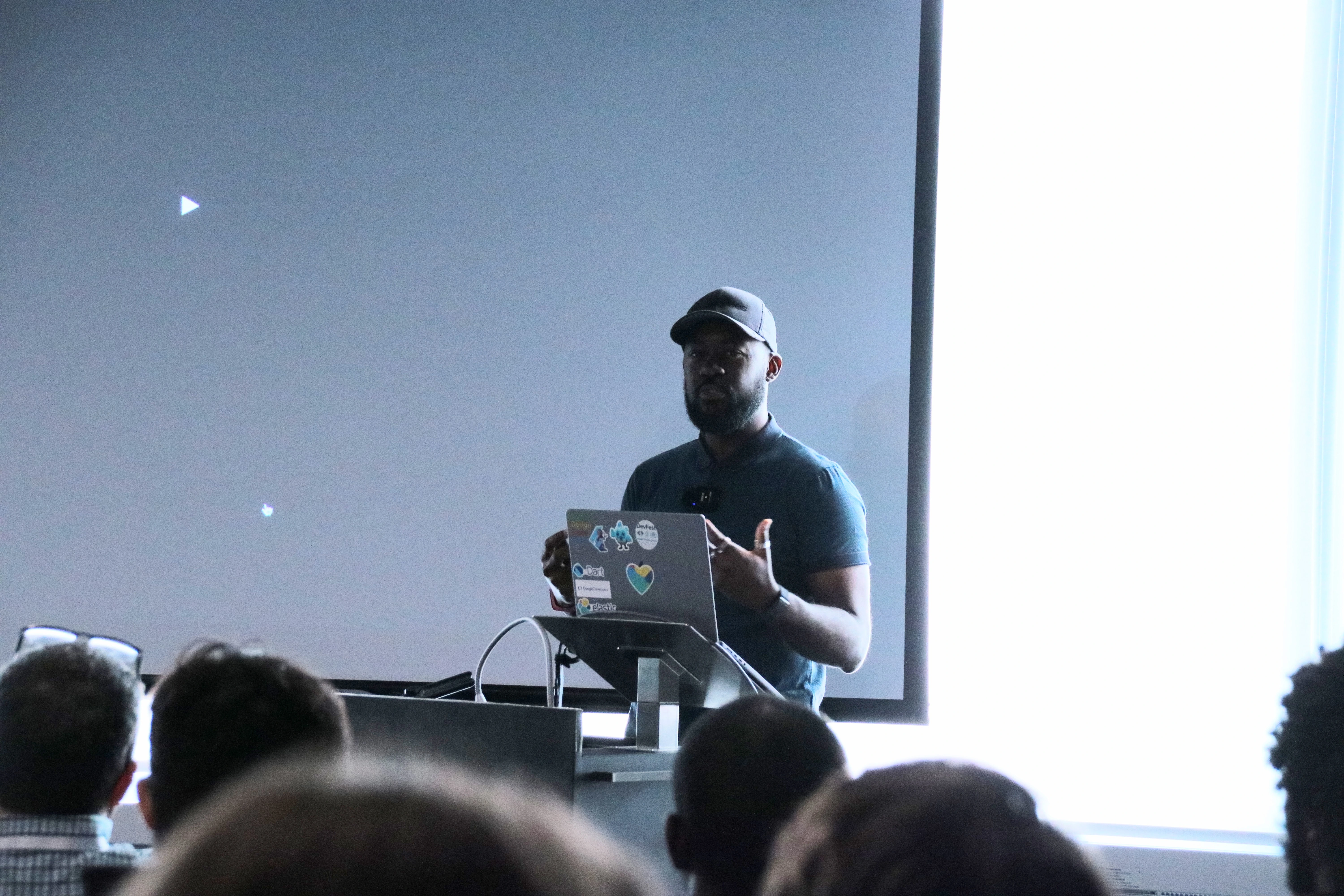
At GDG Montreal, I presented Cloud Harmony, an early-stage concept for an AI-powered platform designed to tackle this challenge head-on.
The Cloud Paradox
Cloud computing offers immense power but introduces significant complexity. We often see:
- Financial Waste: Substantial budget lost to over-provisioned and under-utilized resources.
- Environmental Impact: Unnecessary carbon emissions from inefficient architectures.
- The Alignment Gap: A fundamental disconnect between strategic product goals and day-to-day infrastructure decisions.
A Vision for AI-Driven Alignment
My proposal is an AI Co-Pilot for cloud architecture that empowers Product, Tech, and FinOps teams to align their efforts.
The core capabilities of this system include:
- Intelligent Requirement Ingestion: Translating product requirements (or existing code) into an understanding of the system’s needs.
- Automated Ideal Architecture: Generating a “North Star” configuration optimized for cost, performance, and sustainability.
- Gap Analysis: Comparing the current infrastructure against this ideal state to identify specific areas for improvement.
- Impact Simulation: Predicting how proposed product changes will affect costs and emissions before implementation.
Prototyping with Flutter
To visualize this concept, I built an interactive prototype using Flutter. This allowed for a rich, cross-platform user experience capable of handling complex data visualizations like architecture diagrams and dashboards.
The prototype demonstrates how we can move from reactive cloud management to a proactive, aligned approach—reducing debt and waste while empowering teams to build better products.
This presentation was part of the GDG Montreal event series.